Peer to Pier: Trip to Canada Summary
Grand Isle Sea Farms
When Ben Lord from Oyster Gro learned that we were planning a Peer to Pier trip to Canada, he gladly volunteered to be the guide and promised to make a few farm stops in New England that would be beneficial for us to see. Our arrival in Portland, Maine coincided with an event for oyster farmers called the Rise of the Maine Oyster. One of the panelists, whose farm we later visited, was Bill Mook from Mook Sea Farm. At the gathering, the history and challenges of being an oyster farmer in Maine were discussed. We learned that one of the most concerning issues for Maine oyster farmers is pushback from coastal communities, which is also a problem for us in the Gulf and Louisiana.
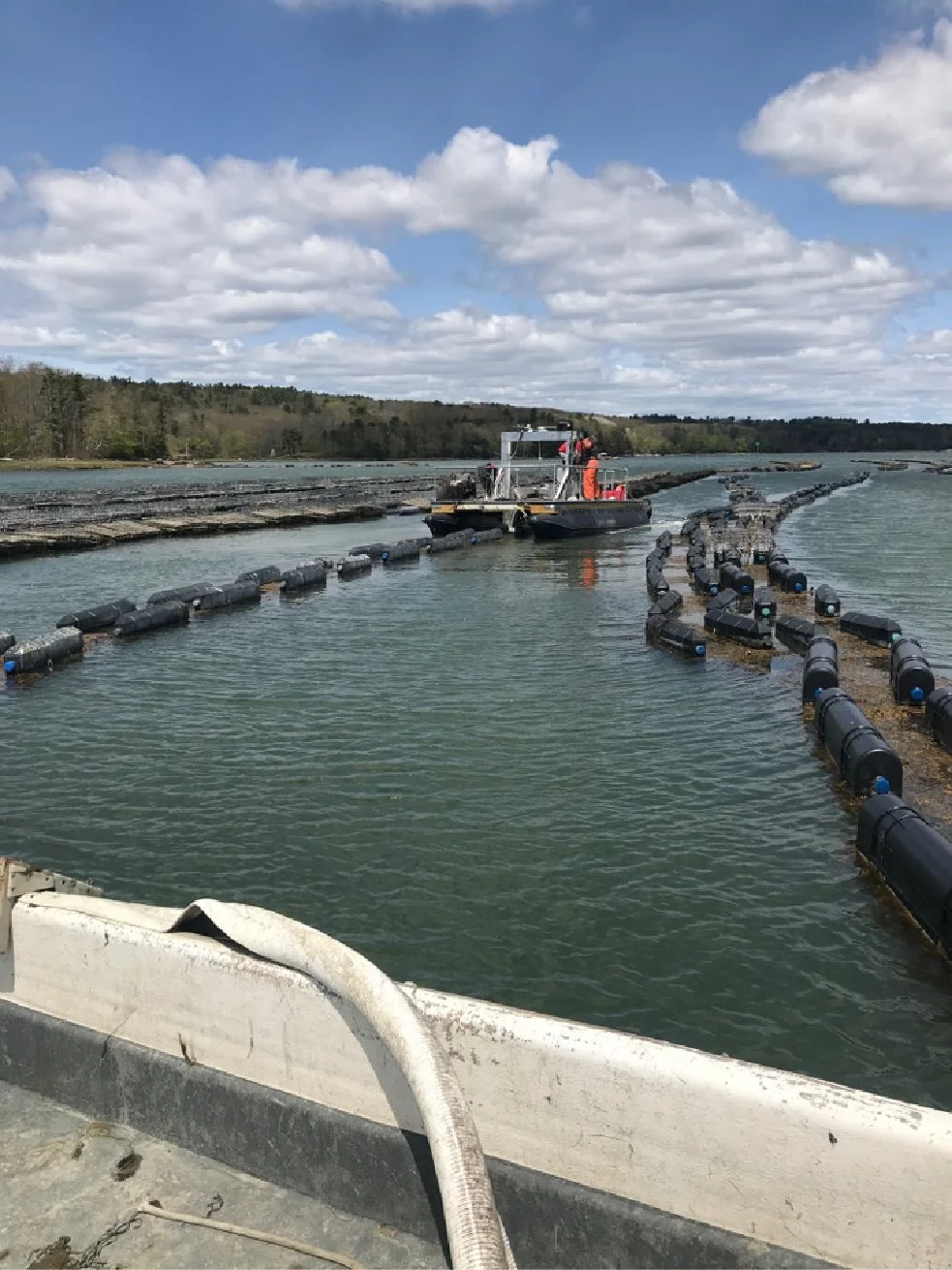
The next day, we visited the first farm, Mere Point Oysters, located just 30 minutes north of Portland. The owner, Doug, showed us the farm, storage areas, and the small platform anchored next to the farm from which they perform all their work. Next, we headed to Mook Sea Farm, one of the many oyster farms on the beautiful Damariscotta River. They have grown into a serious operation that includes a hatchery and a nursery. At their farm, we learned about the different boats they use to place anchors on the seafloor, as well as boats designed specifically to flip cages.
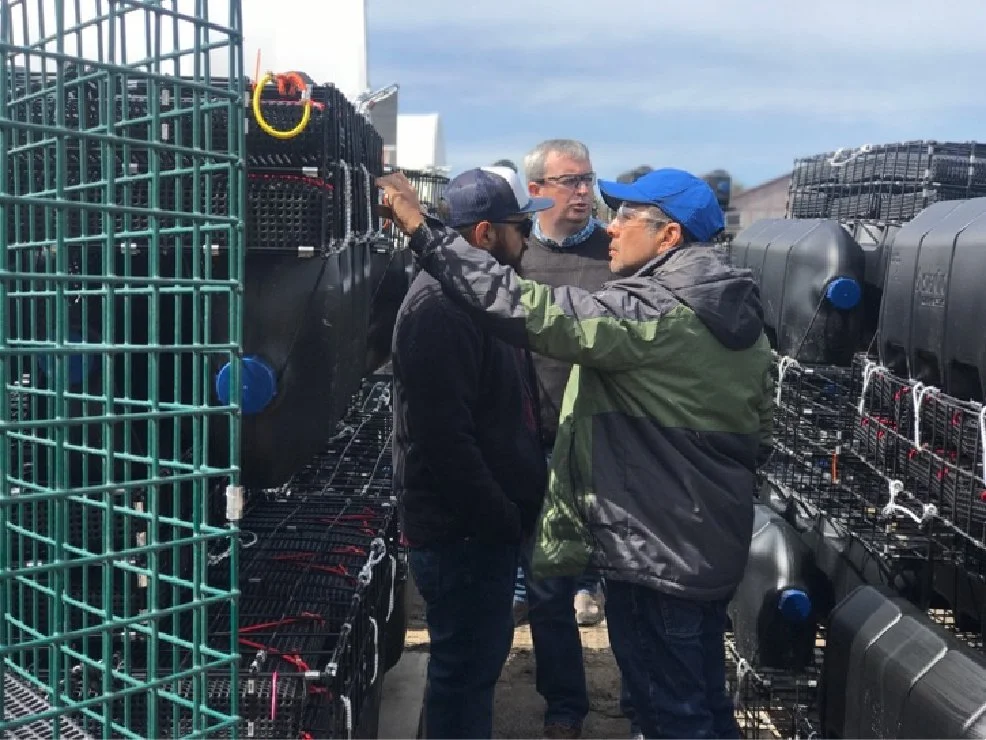
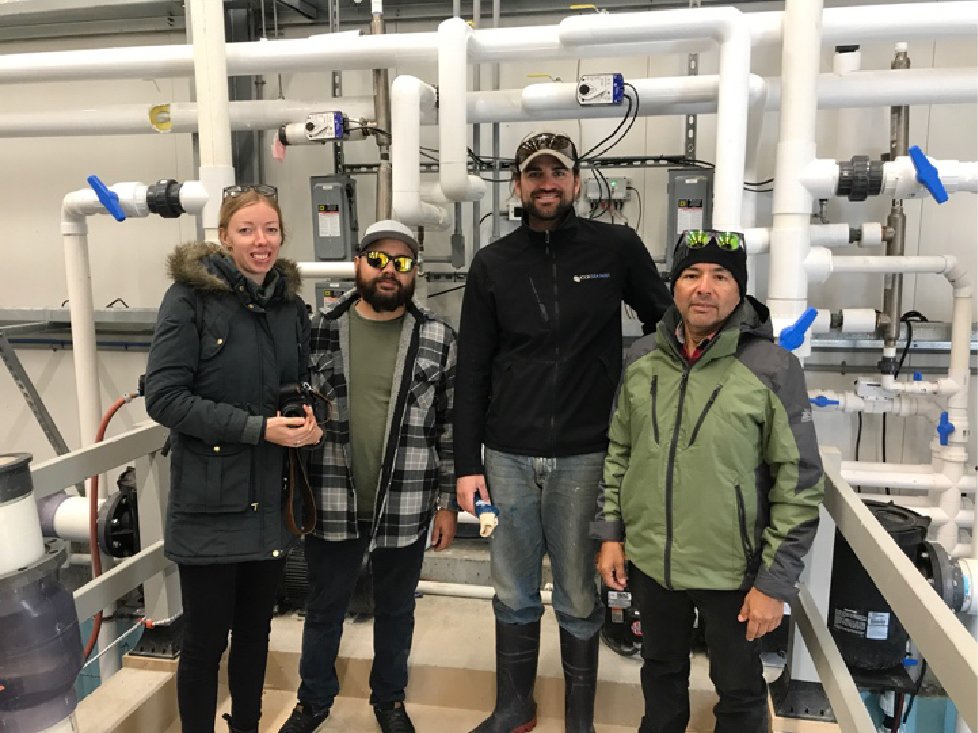
The following day, we crossed the Canadian border to visit Oyster Gro and BBI Group at their facility in Bouctouche. Ben and Steen gave us an extensive tour of the facility, where we saw firsthand how Oyster Gro cages and plastics are made. It was a very neat and well-organized operation, and they always seem to stay ahead of demand. We were also able to discuss our concerns and share insight into how Oyster Gro cages operate at our site in Grand Isle. Being so close to Prince Edward Island, which is an oyster farming hub in Canada, we also visited aluminum boat builder Brian Myers, who works with several local farmers. We learned about more efficient ways of working with Oyster Gro cages. The design of the boat, which features hydraulic arms and a pot hauler at the end for easy grabbing of cages, was particularly interesting.
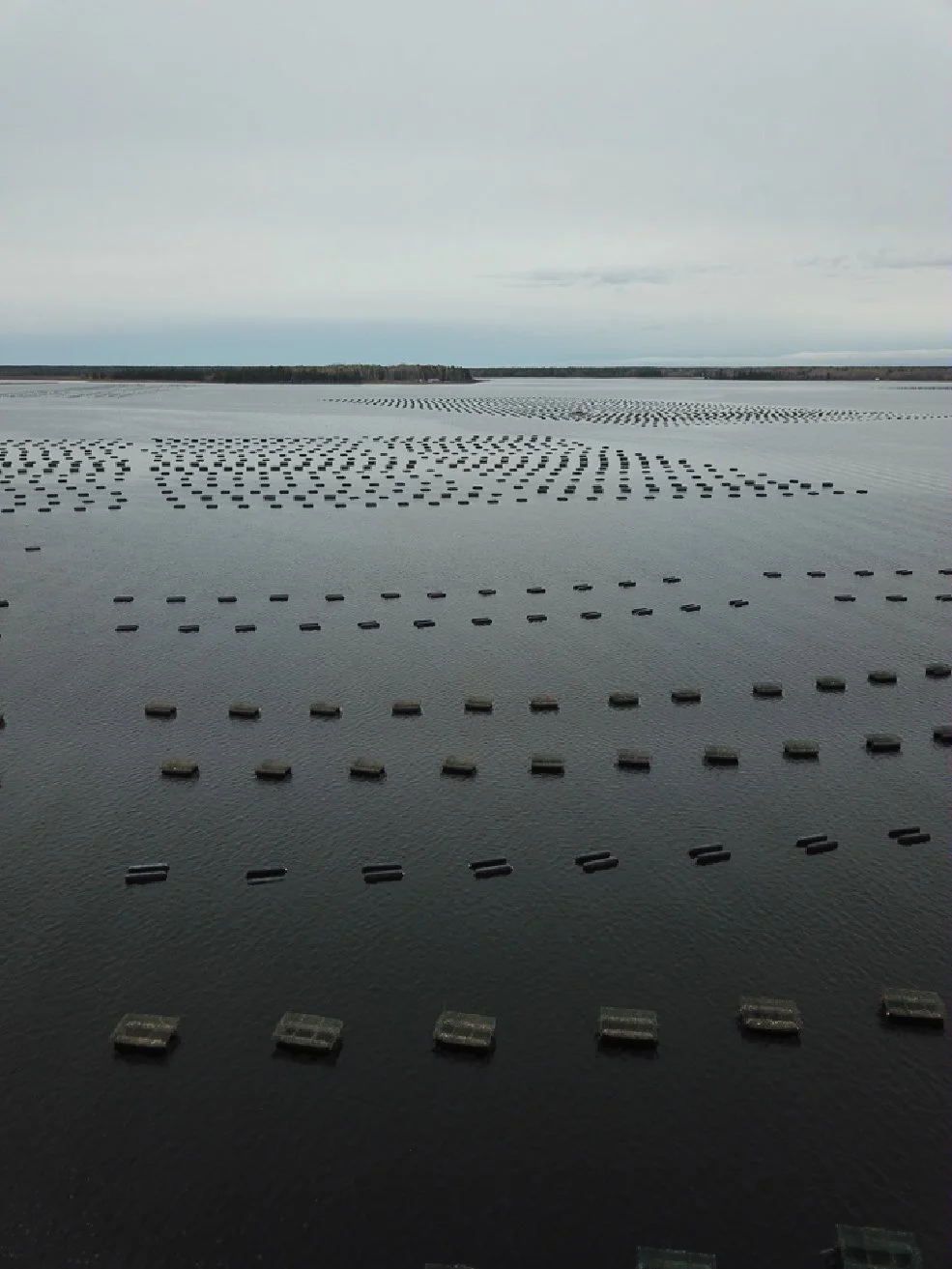
On the last day before our departure, we visited the Oyster Kings farm. We met with the owner, Danny King, who showed us the massive farm, which has 10,000 cages in the water at any time. Their facility was very innovative, with systems for docking the boat on land, unloading bags, and several facilities for processing and storing oysters.
Overall, on our five-day trip, we visited three different oyster farms, met with a specialty boat builder, and toured the Oyster Gro facility. All of these were great learning opportunities made possible thanks to the Peer to Pier program.